


SBA-backed buyers represent 70% of the small business acquisition market right now.
These buyers face stricter lending requirements than they did three years ago : which means sellers face stricter scrutiny.
If your financials aren't buttoned up before you list, you won't just lose time : you'll lose the sale.
I've worked with dozens of North Carolina business owners trying to sell a small business, and the same pattern emerges every time. They underestimate what SBA lenders actually require. Then they scramble to reconstruct three years of financial records while a qualified buyer walks away.
Here's what you actually need.
Why SBA Buyers Demand More Than Cash Buyers
Cash buyers look at your business and decide based on gut, opportunity, and upside potential.
SBA buyers don't have that luxury.
They're borrowing money from a bank that answers to the Small Business Administration. That bank needs to prove your business can service the debt, maintain operations, and survive a downturn. The lender isn't buying your vision : they're underwriting risk.

This creates a documentation requirement that most sellers aren't prepared for.
I worked with a Charlotte restaurant owner last year who had strong cash flow and a loyal customer base. He thought his business would sell in 30 days. It took four months : not because buyers weren't interested, but because his bookkeeping was a mess. Every time a lender requested clarification, we lost momentum.
The deal closed, but only after we reconstructed his P&Ls and reconciled personal expenses he'd run through the business.
That's avoidable.
The Financial Documents SBA Lenders Actually Require
Let's strip this down to what matters.
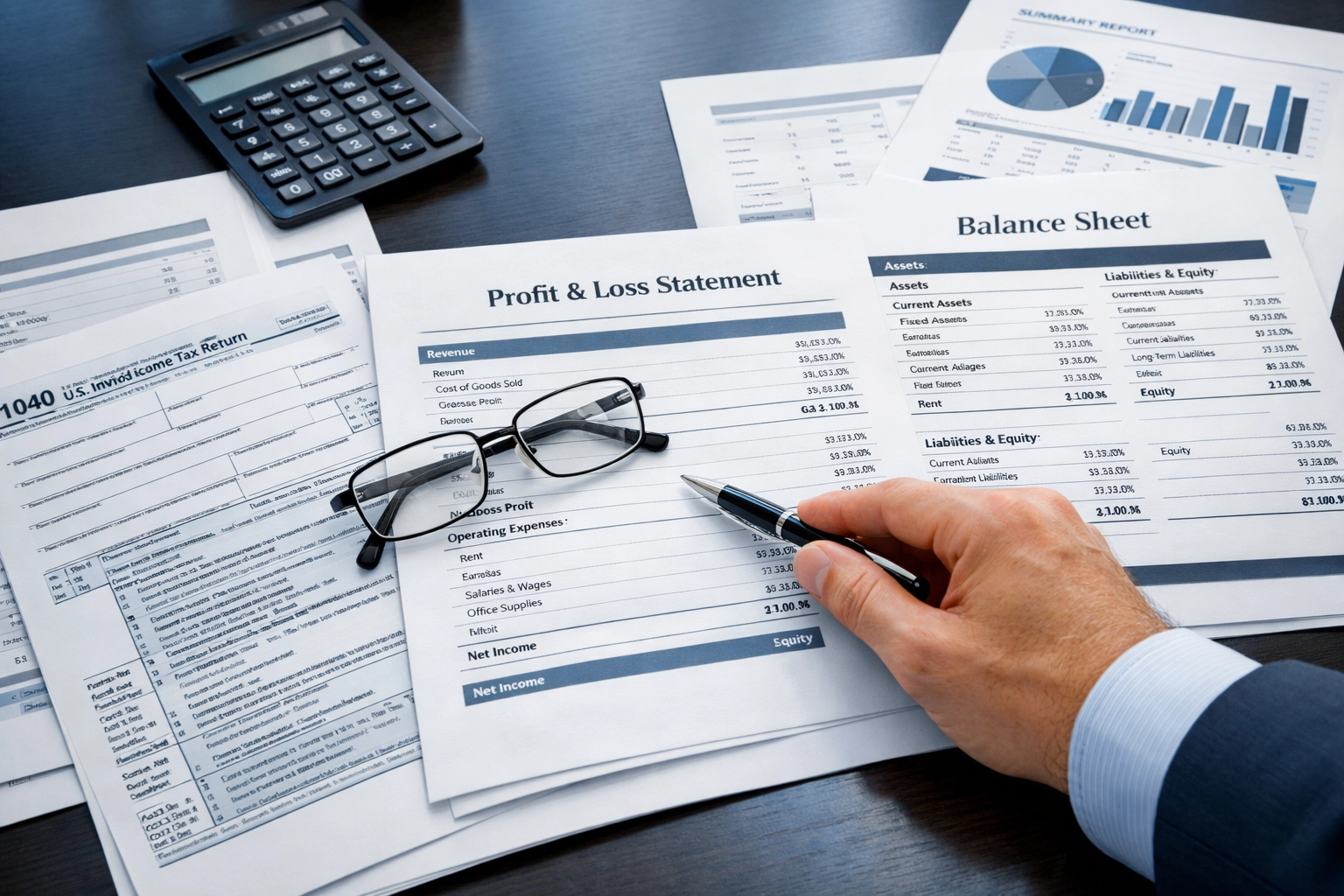
Three years of complete tax returns. Not just your personal 1040s : the full business returns with all schedules. If you operate as an S-Corp or LLC, they'll want your K-1s. If you've filed extensions or amendments, expect questions.
Three years of profit and loss statements. These need to match your tax returns within a reasonable margin. If your P&L shows $400K in revenue but your tax return shows $250K, you'll answer for it. Lenders assume the lower number is real.
Year-to-date financials. If you're selling in February, you'll need January financials ready. If it's September, they'll want January through August. These should be prepared monthly and reconciled to your bank statements.
Balance sheet as of the sale date. This shows assets, liabilities, and equity. SBA lenders use this to determine what's being financed and what stays with you. If you're keeping the real estate but selling the business, this document clarifies the transaction structure.
Detailed list of inventory, equipment, and fixed assets. They'll verify this against your balance sheet and depreciation schedules. If you claim $80K in equipment value, you'll need receipts or appraisals to support it.
Accounts receivable and payable aging reports. Lenders want to see how quickly customers pay you and how quickly you pay vendors. A 90-day AR aging report filled with overdue invoices signals collection problems. That affects the valuation and loan approval.
Rent roll or lease agreement. If you lease your location, the lender will verify terms, escalation clauses, and the landlord's willingness to transfer the lease. I've seen deals collapse because a landlord refused to sign off on a new tenant.
This isn't optional documentation. This is the minimum.
What "Clean Financials" Actually Means
Here's where most sellers stumble.
They think clean financials means "we made money." That's not the standard. Clean means reconciled, documented, and defensible.
Every deposit into your business account should trace to a revenue source. If you moved $15K from your personal account to cover payroll, that needs a paper trail explaining it as an owner contribution : not revenue.
Every withdrawal needs a corresponding expense category. If you pulled $5K for "miscellaneous," you'll recharacterize it. Lenders don't finance miscellaneous.
Personal expenses run through the business must be added back. Your cell phone, your vehicle, your home office : these are legitimate add-backs that increase your seller's discretionary earnings. But you need documentation proving they're personal, not business-critical.
I worked with a Raleigh-based HVAC company owner who routinely paid his son's college tuition through the business. Technically, his son worked there part-time. But $40K a year for a part-time role? That's an add-back. We documented it, justified it, and increased the SDE by nearly $35K annually.
That changed the valuation and made the deal work.
If you want professional help structuring this correctly, firms like VisionFox specialize in preparing businesses for sale with SBA buyers in mind. Their Charlotte team works specifically with North Carolina sellers navigating these requirements.
The Mistakes That Kill SBA-Backed Deals
Most deals don't fall apart because the business isn't good. They fall apart because the financials can't support the story.
Mistake one: Inconsistent revenue reporting. If your sales fluctuate wildly month to month without explanation, lenders assume instability. Seasonal businesses get a pass if you can demonstrate the pattern repeats annually. Random spikes and drops? That's a red flag.
Mistake two: Inadequate documentation for add-backs. You can't just tell a lender you "basically paid yourself $120K even though the W-2 shows $60K." You need mileage logs, receipts, and a coherent explanation for every dollar you're adding back to earnings.
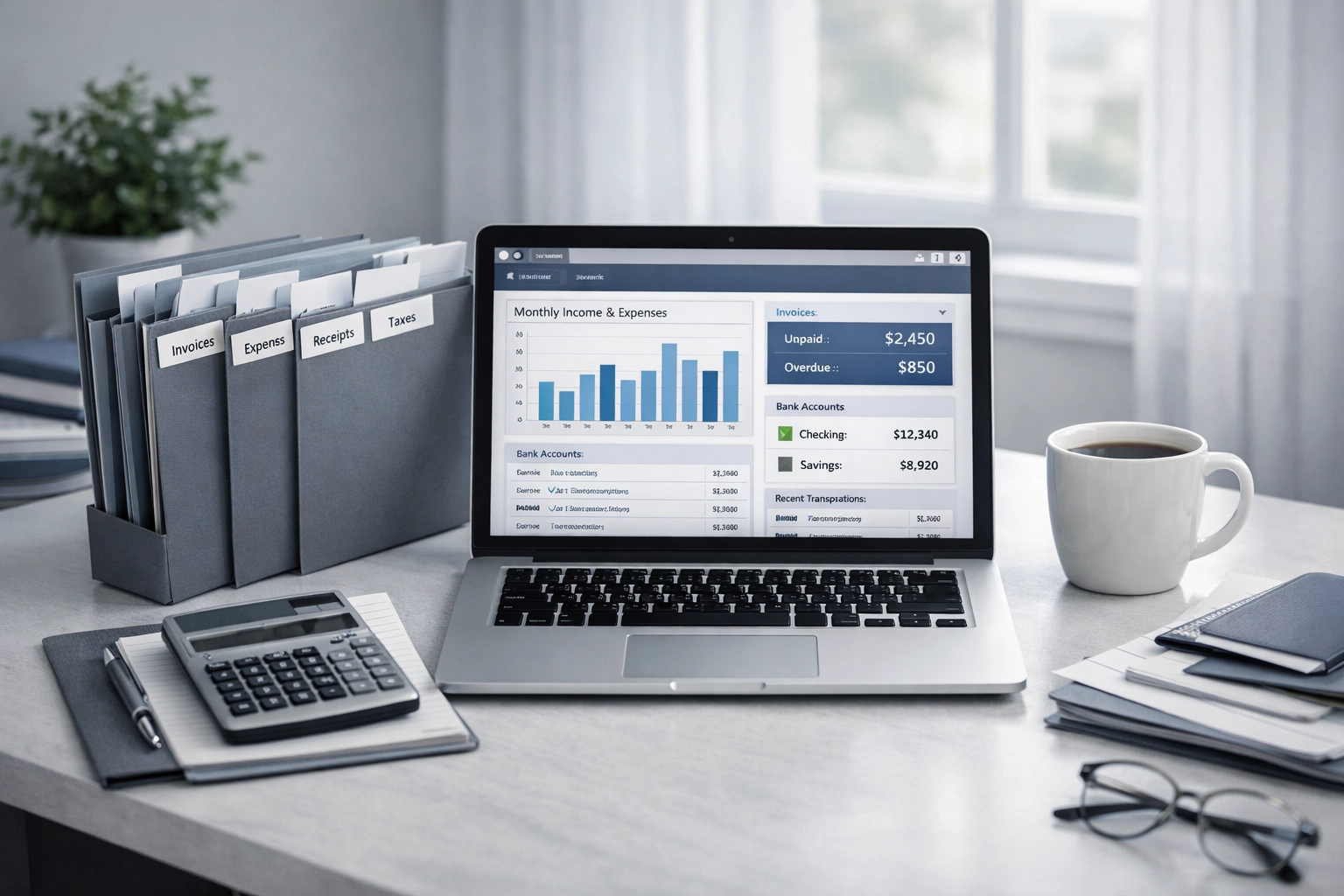
Mistake three: Mixing personal and business expenses without clear records. I've seen sellers lose $50K in valuation because they couldn't prove which truck payments were business assets versus personal vehicles. The lender assumed personal. The seller lost the add-back.
Mistake four: Waiting until you have a buyer to organize records. By then, you're negotiating under time pressure. Buyers sense desperation. Lenders slow the process. You lose leverage.
Start organizing six months before you list.
If you're in a market like Charlotte or Raleigh, where SBA buyers dominate the lower-middle-market, this preparation isn't optional. It's the baseline.
How to Actually Prepare for SBA Buyer Scrutiny
Start with a financial audit : not for the IRS, but for yourself.
Pull the last three years of tax returns and P&Ls. Compare them line by line. Where do they diverge? Why? Document the answers now, while you still remember.
Next, engage a CPA who understands business sales. Your tax preparer might be excellent at minimizing liability, but that's a different skill than preparing financials for a sale. You need someone who can recast earnings, justify add-backs, and present numbers that satisfy underwriters.
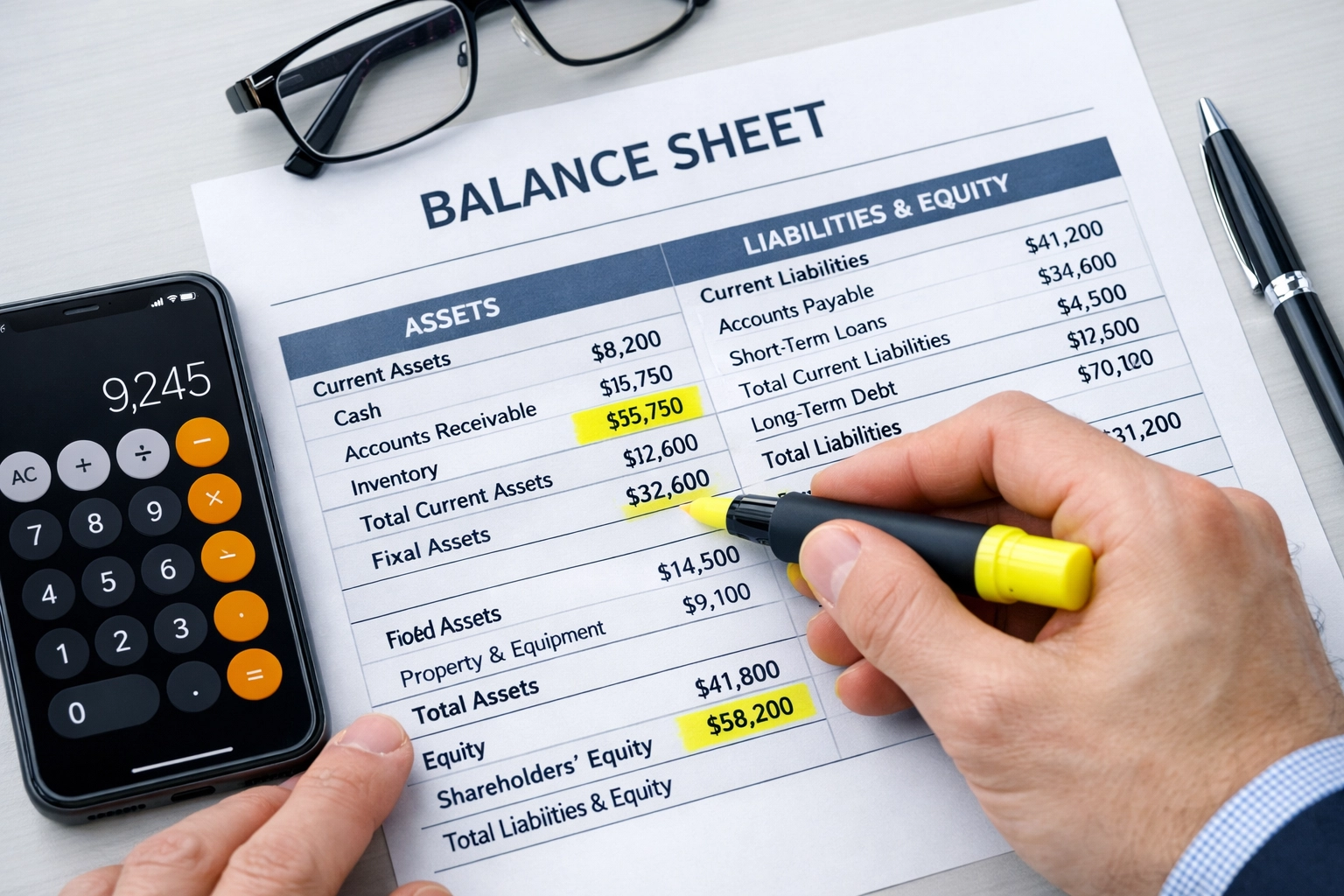
Then, reconcile your balance sheet. Walk through every asset and liability. Confirm values. If you're carrying equipment at historical cost but it's depreciated to zero, get an appraisal. SBA lenders will.
Clean up your chart of accounts. If you have 47 expense categories, consolidate. If "office supplies" includes everything from printer paper to a $3K laptop, break it out. Lenders look for clarity, not creativity.
Finally, run a quality of earnings analysis. This identifies which revenue streams are stable, which expenses are truly discretionary, and what the business will look like under new ownership. If 40% of your revenue comes from one customer, that's a concentration risk. Address it or prepare to defend it.
This work takes time. But it's the difference between a 90-day sale and a nine-month slog.
For owners asking how to sell my business without derailing momentum, the answer is simple: prepare the financials before you go to market. If you need guidance on what SBA lenders are looking for right now, reach out to our team. We'll walk you through the exact documentation checklist based on your industry and deal structure.
The Reality of Selling to SBA Buyers in 2026
SBA buyers aren't going away. They're the most reliable buyer pool for businesses valued under $5 million.
But they're playing by tighter rules than they were even 18 months ago. Lenders are scrutinizing debt service coverage ratios more closely. They're questioning add-backs more aggressively. They're walking away from deals that don't present clean, defensible financials.
If you want to sell a small business in today's market, you need to meet them where they are.
That means treating financial preparation as part of the sales process : not an afterthought once you have a letter of intent.
Request a valuation and we'll show you exactly what SBA lenders will scrutinize in your financials before you ever list.
Share this with another business owner who's thinking about selling : they'll thank you when their deal doesn't fall apart in due diligence.