


![[HERO] How to Protect Your Legacy While Maximizing Value When Selling Your NC Business](https://cdn.marblism.com/oCMquw_HHo.webp)
Most North Carolina business owners spend decades building something meaningful : then give away hundreds of thousands in value by treating the sale like a transaction instead of a legacy transfer.
The buyers who pay premium prices aren't just buying revenue streams and asset lists : they're buying the story, the systems, and the continuity that protects what you've built.
Your exit planning for business owners starts the moment you decide your business matters beyond the check you'll receive at closing.
I've worked with dozens of NC business owners through their exits. The ones who protect their legacy while maximizing value do something the others don't : they treat the sale as a transfer of stewardship, not just ownership.
Here's what that actually looks like.
Define What Legacy Means Before Anyone Asks About Price
Most sellers start with the number.
That's backward.
I sat with a manufacturer in Greensboro last year who wanted $4.2 million for his operation. When I asked what happened to his 23 employees if the buyer decided to relocate, he paused. He hadn't considered it. That question changed his entire approach to the sale : and ultimately led him to a buyer who paid more specifically because employee retention was contractually guaranteed.
Your legacy exists in three dimensions: the people who depend on your business, the community relationships you've built, and the operational excellence that makes the business worth buying in the first place.
Define those clearly before you talk to any buyer or broker.
Write down what matters: Do your employees need job security? Does your customer base expect continuity? Are there supplier relationships that must be honored? Is your family name attached to the business reputation?

These aren't soft concerns. They're deal structures waiting to happen.
When you articulate legacy priorities upfront, you create negotiating leverage that adds value instead of restricting it. Buyers who understand what they're inheriting : and can demonstrate they'll protect it : differentiate themselves from those who just want assets.
That differentiation increases offers.
Build Legal Structures That Protect Without Restricting
The wrong legal framework costs you twice : once in reduced sale price and again in watching your legacy dismantled after closing.
Buy-sell agreements, succession planning documents, and operating agreements aren't just paperwork for attorneys to file : they're the architecture that makes your business transferable while keeping your non-negotiables protected.
I've seen this work both ways.
A Raleigh-based service company sold for 15% below market because the owner had no formal succession documentation. The buyer perceived risk in every handshake deal and informal arrangement. Three months of legal cleanup followed, with the seller making concessions at every turn because nothing was documented.
Compare that to a Charlotte manufacturer I worked with through VisionFox who had comprehensive buy-sell agreements in place. When a buyer tried to renegotiate terms around key employee retention, the existing legal structure made it clear those employees had contractual protections. The buyer didn't reduce the offer : they increased it because the risk was eliminated.
Documentation isn't defensive. It's evidence of a business that runs properly.
Here's what actually matters:
Buy-sell agreements that specify exactly what happens during ownership transfer, including funding mechanisms and valuation methods. These prevent post-closing disputes and give buyers confidence they're not inheriting legal ambiguity.
Succession planning agreements that outline responsibilities, timelines, and transition procedures. These documents demonstrate to buyers that your business can function through leadership changes : which is exactly what they're betting millions on.
Operating agreements with succession provisions built in. These show that ownership transfer isn't an afterthought but a planned feature of how your business operates.
The businesses that sell for premium multiples have this infrastructure in place years before listing. The ones that scramble to create it during due diligence leave money on the table.

Document Everything That Makes Your Business Work
Buyers pay for predictability.
The more your business depends on your personal relationships, undocumented processes, and tribal knowledge, the less they'll pay : because they're buying uncertainty.
When you sell a small business, you're not selling what you know : you're selling what can be transferred. That transfer happens through documentation.
I worked with a distributor in Durham who insisted his business was "simple" and didn't need process documentation. His revenue was $3.8 million annually with consistent margins. When we went to market, every buyer asked the same questions: How do you handle customer complaints? What's the reorder process? How do you manage supplier negotiations?
He answered from memory. Buyers heard risk.
We paused the sale, spent two months documenting every operational process, and went back to market. The same business received offers 22% higher from the same buyer pool. The only variable was documentation.
Here's the framework I give every seller:
Create standard operating procedures for every revenue-generating process. Not because you follow them rigidly today, but because buyers need to see that the business can function without your intuition guiding every decision.
Document customer relationships with interaction histories, preferences, and communication patterns. This transforms "Mike knows everyone" into "here's exactly how to maintain these relationships."
Record supplier agreements, pricing structures, and negotiation histories. Buyers don't want to start from scratch : they want to step into existing relationships with clear handoff points.
Map decision-making frameworks for the judgment calls that happen weekly. These aren't policies : they're the logic that guides business decisions when situations fall outside standard procedures.
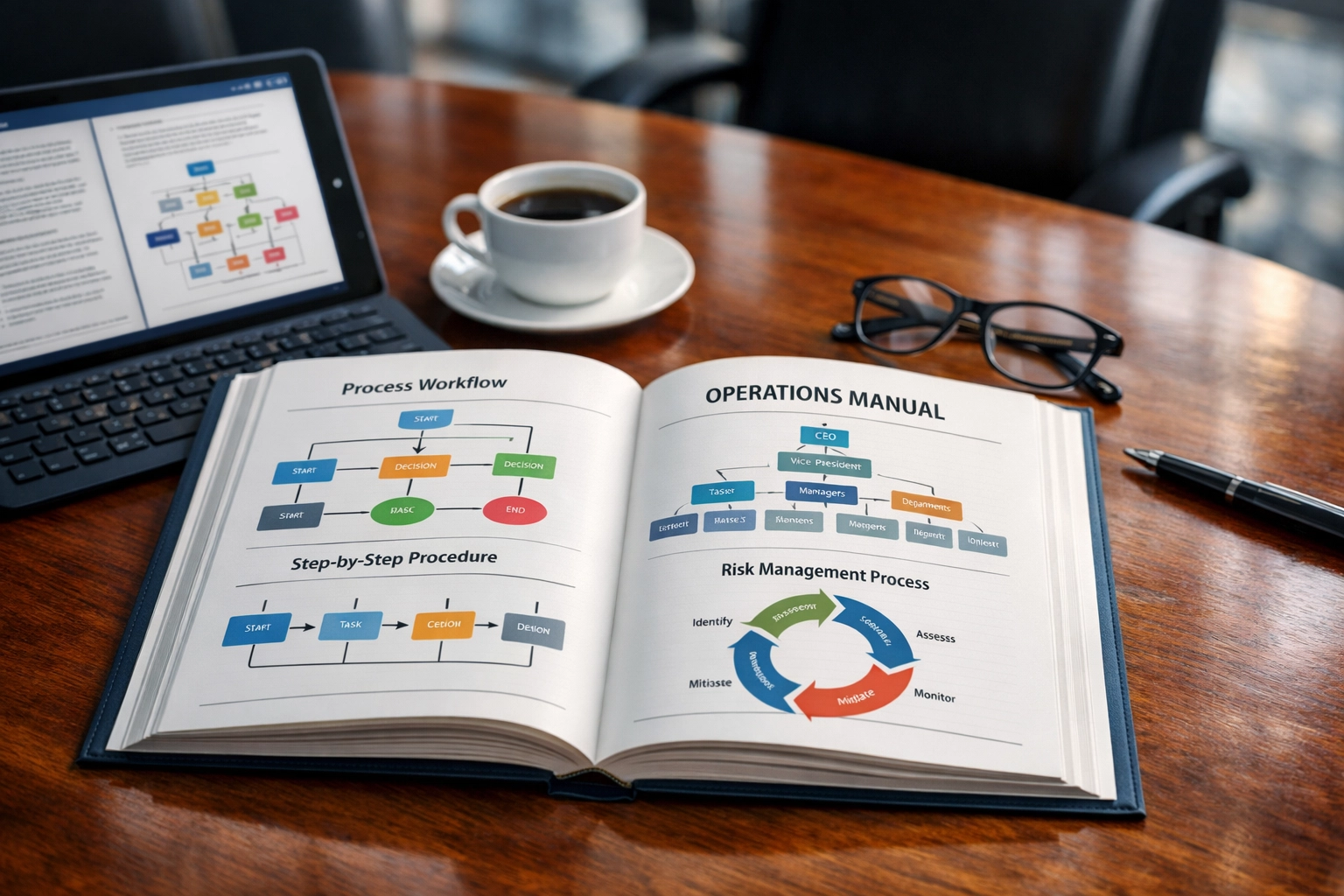
The businesses that close at high multiples have operations manuals that make the owner replaceable. That's not insulting. That's valuable.
Structure the Deal to Protect What Matters
Price isn't the only variable that protects legacy.
Deal structure determines whether your employees stay employed, your customers stay served, and your reputation stays intact. I've seen sellers accept lower offers specifically because the structure protected non-negotiable priorities.
A service company owner in Cary had two offers : one for $3.1 million cash at closing, another for $2.8 million with earnout provisions tied to employee retention and customer satisfaction scores over 24 months.
He took the second offer.
Why? Because the earnout structure guaranteed the buyer couldn't gut the team or abandon service standards without financial penalty. The total payout ended up at $3.2 million, and two years later his former employees still work there under the same culture he built.
That's legacy protection through deal structure.
Consider these mechanisms:
Employment agreements for key personnel that survive the sale, with compensation guarantees and severance provisions if terminated without cause. These keep your people in place during transition.
Earnout provisions tied to metrics that reflect your values : customer retention, employee satisfaction, community involvement. These align the buyer's financial incentives with protecting what you built.
Non-compete and non-solicitation agreements that protect your customer base from being strip-mined immediately after closing.
Transition consulting agreements that keep you involved for 6-12 months, ensuring knowledge transfer happens thoroughly and the buyer honors commitments made during negotiation.
I work with sellers through VisionFox to structure deals that maximize value without sacrificing the elements that make the business worth building in the first place. The buyers who understand this distinction pay more : because they're buying a functioning operation, not a demolition project.
Choose Buyers Who Understand What They're Inheriting
Not every qualified buyer deserves your business.
Financial capacity matters, but cultural fit determines whether your legacy survives the transition. I've watched sellers chase the highest offer only to see their business dismantled within 18 months because the buyer had different values.
The buyer who pays 10% more but plans to relocate operations, replace your team, and rebrand immediately isn't protecting your legacy : they're erasing it.
Here's how to evaluate buyers beyond their bank statements:
Ask what they plan to change in the first 90 days. Buyers who respect what you've built will focus on learning and continuity. Buyers who plan immediate overhauls don't value what you're selling.
Understand their growth strategy. Are they buying your business to extract value quickly, or to build on what you've established? The answer shapes everything about how they'll operate post-closing.
Meet their team and assess cultural alignment. If their management style contradicts how you've run the business, your employees will leave regardless of contract provisions.
Request references from previous acquisitions. Talk to sellers who worked with this buyer before. Ask specifically about promises made during negotiation and whether they were honored after closing.
The right buyer sees your business as a foundation to build on, not raw material to repurpose. Those buyers exist : and they pay premium prices specifically because they understand what they're inheriting.
If you're in Charlotte, Raleigh, or anywhere across North Carolina, this buyer selection process determines whether your exit is a successful transition or a regretful transaction.
Work With Advisors Who Prioritize Legacy Alongside Value
Most business brokers optimize for one thing: closing deals quickly at the highest price.
That's necessary but insufficient.
Exit planning for business owners requires advisors who understand that maximum value and legacy protection aren't competing priorities : they're complementary when structured properly.
I've seen the difference firsthand. Sellers who work with transaction-focused brokers get deals done fast. Sellers who work with advisory-focused brokers get deals done right : with legal structures, deal terms, and buyer selection that protect what matters while maximizing financial returns.
The businesses I work with through comprehensive exit planning consistently receive offers 15-25% above initial market expectations. Not because we're better negotiators, but because we prepare businesses to demonstrate value in ways that reduce buyer risk and justify premium pricing.
That preparation includes legal documentation, operational systematization, financial transparency, and strategic positioning that makes the business irresistible to the right buyers.
Your advisor should ask about legacy priorities before discussing valuation. If the first conversation is only about financials, you're working with the wrong person.
The Timeline Starts Now
Here's what most sellers get wrong: they think exit planning begins when they're ready to sell.
It begins years earlier.
The businesses that sell for maximum value while protecting legacy have been preparing for years : building documentation, establishing legal structures, systematizing operations, and creating the infrastructure that makes transition smooth.
If you're planning to sell within five years, the work starts today. If you're planning to sell within two years, you're already behind : but not too late.
Start by requesting a business valuation that identifies gaps between current state and sale-ready condition. That gap analysis becomes your roadmap for the next 12-24 months.
Focus on what buyers pay for: predictable revenue, transferable operations, documented systems, and legal clarity. Everything else is negotiable.
If you've built something worth protecting, treat the exit like you treated the building : with intention, structure, and long-term thinking. Your legacy depends on it. So does your sale price.