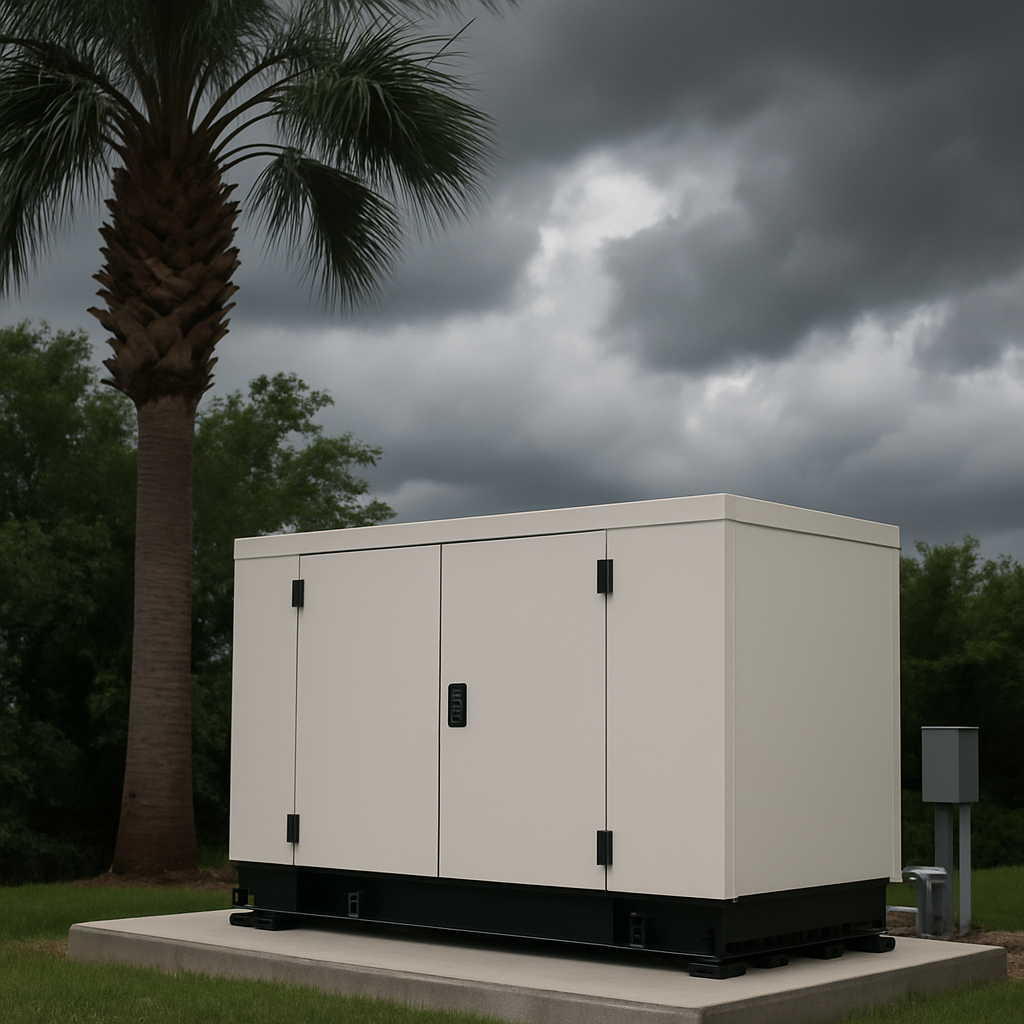


The demand for essential services in North Carolina remains at an all-time high.
Owners often fail to capture the full value of their HVAC or plumbing business because they lack a clear exit strategy.
You must position your operations for a high-multiple sale long before you intend to walk away.
The North Carolina HVAC and plumbing market is substantial and growing rapidly.
As of 2026, the heating and air-conditioning sector in our state is valued at approximately $5.3 billion.
With over 4,000 businesses competing for market share, buyers are becoming increasingly selective about where they park their capital.
I have seen many owners reach retirement age without a plan to transition.
They spent decades building a reputation but forgot to build a transferable asset.
The result is often a business that cannot survive without the founder.
If you want to sell my business north carolina, you need to understand how the market views your company today.
Current trends show that private equity groups and larger regional competitors are looking for specific operational benchmarks.
They are not just buying your trucks; they are buying your future cash flow.

The 2026 Valuation Landscape
Valuation is not a guessing game or a simple multiple of your top-line revenue.
In the current market, North Carolina HVAC companies are selling for anywhere between 2.5x and 10x EBITDA.
The wide range exists because high-performing businesses have systems that lower the buyer's risk.
For smaller, owner-operated shops generating under $3 million in revenue, the multiples usually sit between 2.75x and 3.25x SDE.
Sellers often feel these numbers are low compared to the headlines they read in trade magazines.
The truth is that those massive 10x multiples are reserved for companies with professional management and massive recurring revenue.
I worked with a plumber in Greensboro who had a healthy $2 million in annual sales.
He was frustrated because his initial offers were significantly lower than his expectations.
We discovered that he was still the only person in the company who could perform complex residential diagnostics.
The problem was clear: the business was essentially a high-paying job for him rather than a standalone entity.
We spent eighteen months hiring a lead technician and documenting every service protocol.
He eventually sold the business for 30% more than his initial valuation once he was no longer essential.
Professional buyers look for stability and predictability above all else.
You can find more details on how these calculations work on our business valuation page.
Understanding your number today is the first step toward a successful exit tomorrow.
The Power of Maintenance Agreements
Recurring revenue is the single most important factor in driving up your business multiple.
Buyers value a maintenance contract much more than a one-time installation job.
Service revenue provides a predictable floor for the business during economic shifts.
I've seen businesses with 50% or more revenue from service and maintenance command premium prices.
Installation-heavy companies are viewed as riskier because they rely on constant new lead generation.
A robust base of maintenance contracts acts as a moat around your customer list.
When you prepare to sell, your records must clearly show the retention rate of these agreements.
A buyer will audit your service history to ensure those customers are loyal and active.
High-quality data is your best friend during the due diligence process.

Reducing Owner Dependency
In my experience, the hardest part of selling an HVAC or plumbing business is the "hero" trap.
You have spent years being the person who saves the day for your customers.
If the business stops functioning when you go on vacation, it is not ready for sale.
As the author of Before the Clock Decides, I emphasize that time is your most valuable leverage.
You must build a professional management team that handles the daily fires.
This transition allows a buyer to see that the company will continue to thrive post-closing.
I worked with an HVAC owner in Charlotte who was the primary salesperson for the company.
Every major commercial bid went through his desk and relied on his personal relationships.
Acquirers viewed this as a major liability and requested a five-year earnout to keep him tied to the desk.
We pivoted by training two project managers to handle the bidding process using standardized software.
By the time we went to market, the owner’s involvement in sales was minimal.
He was able to secure a deal with a much shorter transition period and more cash upfront.
If you are looking for specific advice on the local market, visit https://visionfox.com/charlotte-nc/.
Building a business that works without you is the ultimate goal of any exit strategy.
Geographic Impact and Growth Markets
Location plays a massive role in the interest your business generates from regional buyers.
North Carolina has several high-growth hubs that are currently targets for acquisition.
Markets like Raleigh and Durham are seeing intense competition for established service brands.
Commercial HVAC businesses often command higher multiples because they have larger contract values.
However, residential service companies in densely populated areas like Wilmington or Asheville are also highly sought after.
Density allows for better routing efficiency and higher technician productivity.

Buyers are looking for regional density where they can tuck your business into an existing infrastructure.
If your service area is spread too thin across rural counties, your overhead might scare off certain investors.
Focusing your marketing on a tighter geographic radius can actually improve your bottom line and valuation.
I worked with a small plumbing shop in High Point that decided to stop taking calls more than 20 miles away.
Their profit margins increased by 12% within a single year due to reduced fuel and labor waste.
The business became much more attractive to a buyer who already had a presence in that specific county.
Navigating the Deal Structure
Many sellers expect to receive a wire transfer for the full purchase price on the day of closing.
The reality of the 2026 market is that deal structures often involve a mix of cash, seller notes, and earnouts.
A seller note demonstrates that you have confidence in the future of the company.
Earnouts are common when there is a gap between the seller’s price and the buyer’s valuation.
If the business hits certain performance targets over the next two years, the seller receives additional payments.
This structure helps bridge the gap and facilitates a deal that might otherwise fail.
I’ve seen owners walk away from great deals because they refused to carry any portion of the financing.
In many cases, a small seller note can actually help you save on taxes by spreading the gain over several years.
Consulting with a professional advisor is the best way to structure a deal that meets your financial goals.

Preparing for the Exit
The process of selling your business usually takes six to twelve months from start to finish.
You should begin cleaning up your financial statements at least two years before you plan to list.
Personal expenses that are run through the business must be clearly identified and documented.
Transparency is the foundation of a smooth transaction.
If a buyer discovers inconsistencies in your books during due diligence, the deal will likely collapse.
Clean financials demonstrate that you run a professional organization.
Start by requesting a valuation request to see where you stand.
Knowing your current market value allows you to make informed decisions about your timeline.
Whether you are in Fayetteville, Winston-Salem, or Cary, the steps remain the same.
You can learn more about our full range of business advisory services to help you through this transition.
For broader resources on business brokerage across the country, check out https://visionfox.com/.
Success in a sale is the result of meticulous preparation and realistic expectations.

The North Carolina market will continue to evolve as we move through 2026.
Those who adapt to the demand for recurring revenue and owner independence will win.
Your legacy as a business owner deserves a proper exit that rewards your years of hard work.
Contact us today to receive a confidential valuation and start planning your exit strategy.
Share this guide with a fellow business owner who is considering their future retirement options.